
Liquidity, Connectivity & Aggregation
EBS FinTech designs and implements MT5 liquidity connectivity between third party liquidity providers and a broker’s trading environment. The work covers connection selection, symbol and contract mapping, testing, launch and ongoing technical support.
A price feed is only one part of the connection.
The setup also has to fit the broker’s platform, products, execution model, legal entity, operating regions and support arrangements.
Before any configuration starts, the parties need to establish what the LP can deliver, which interface will be used, whether aggregation or a backup route is required, and how contract specifications will carry through to MT5.
EBS FinTech handles these items as one integration project: reviewing the available options, defining the architecture, coordinating third party vendors, configuring the platform and checking the production environment.
- New MT5 liquidity connections
- Existing Bridge or Gateway replacement
- Second LP and backup route implementation
- Moving from one LP to multiple LPs
- Connectivity review for an existing broker
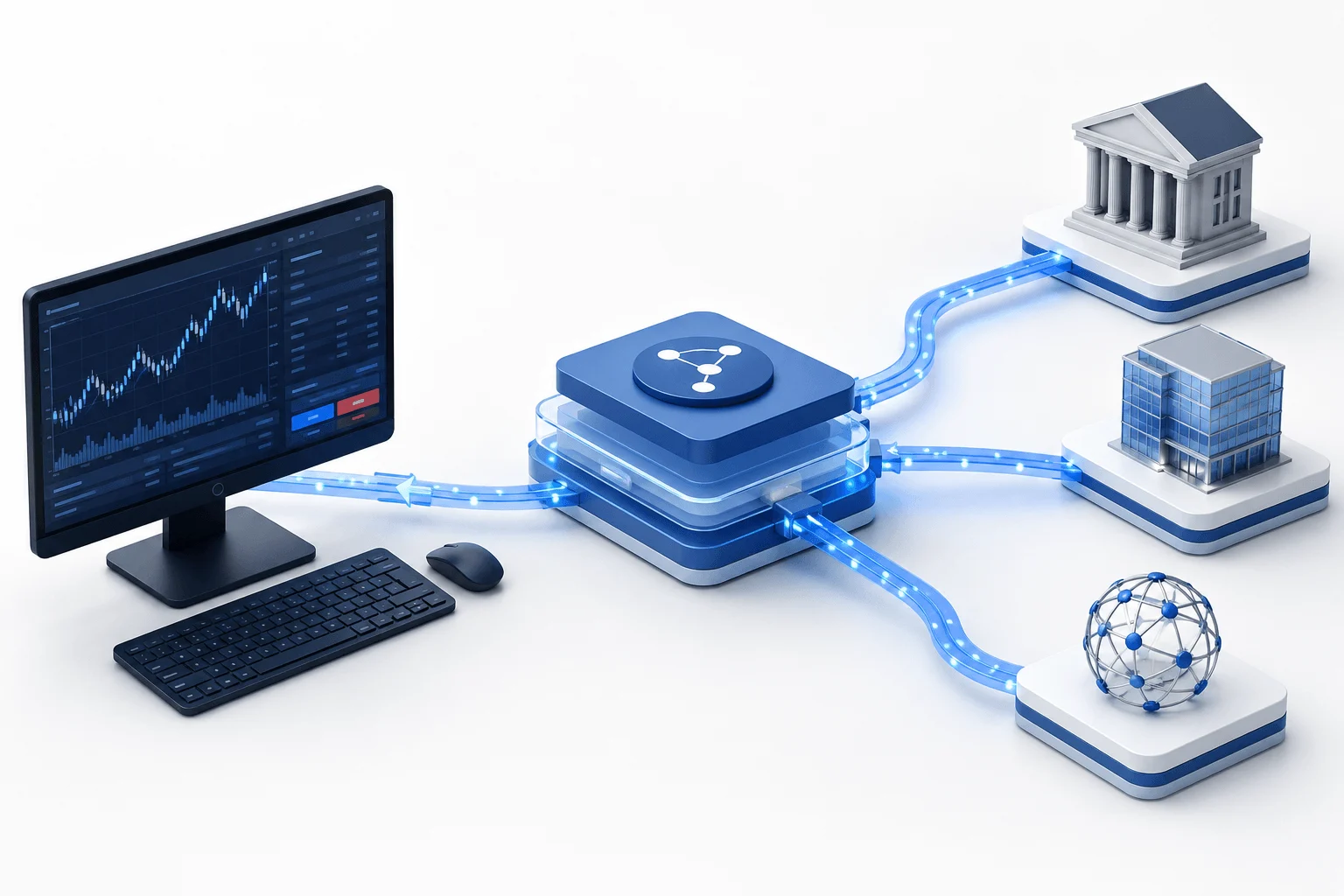
One technical scope across several providers
The work is shaped around the broker’s existing environment and the providers it has selected.
Requirements & LP Fit
Review entity eligibility, products, account structure, connectivity methods and operational dependencies before integration begins.
Connection Design
Select a suitable route using an MT5 Gateway, a Bridge using FIX, an aggregator or another supported third party connection.
Platform Integration
Coordinate endpoints, symbols, contract specifications, execution settings, markups and demo/live testing.
Production Support
Support configuration changes, technical incidents and investigations involving multiple vendors after the environment goes live.
How the execution path fits together
Not every project needs every layer. A straightforward connection to one LP should not be made more complex than necessary.
Evaluate what sits behind the headline spread.
A workable LP relationship depends on eligibility, commercial terms, instrument coverage and operational compatibility.
We compare the technical requirements and coordinate the information needed for onboarding and integration. Provider approval, account terms and pricing are agreed directly with the selected third party.
- Entity, licence and jurisdiction eligibility
- Instrument coverage and trading sessions
- Deposit, margin and account requirements
- Commission, swap and markup structure
- Available Gateway or FIX connectivity
- Support coverage and escalation process
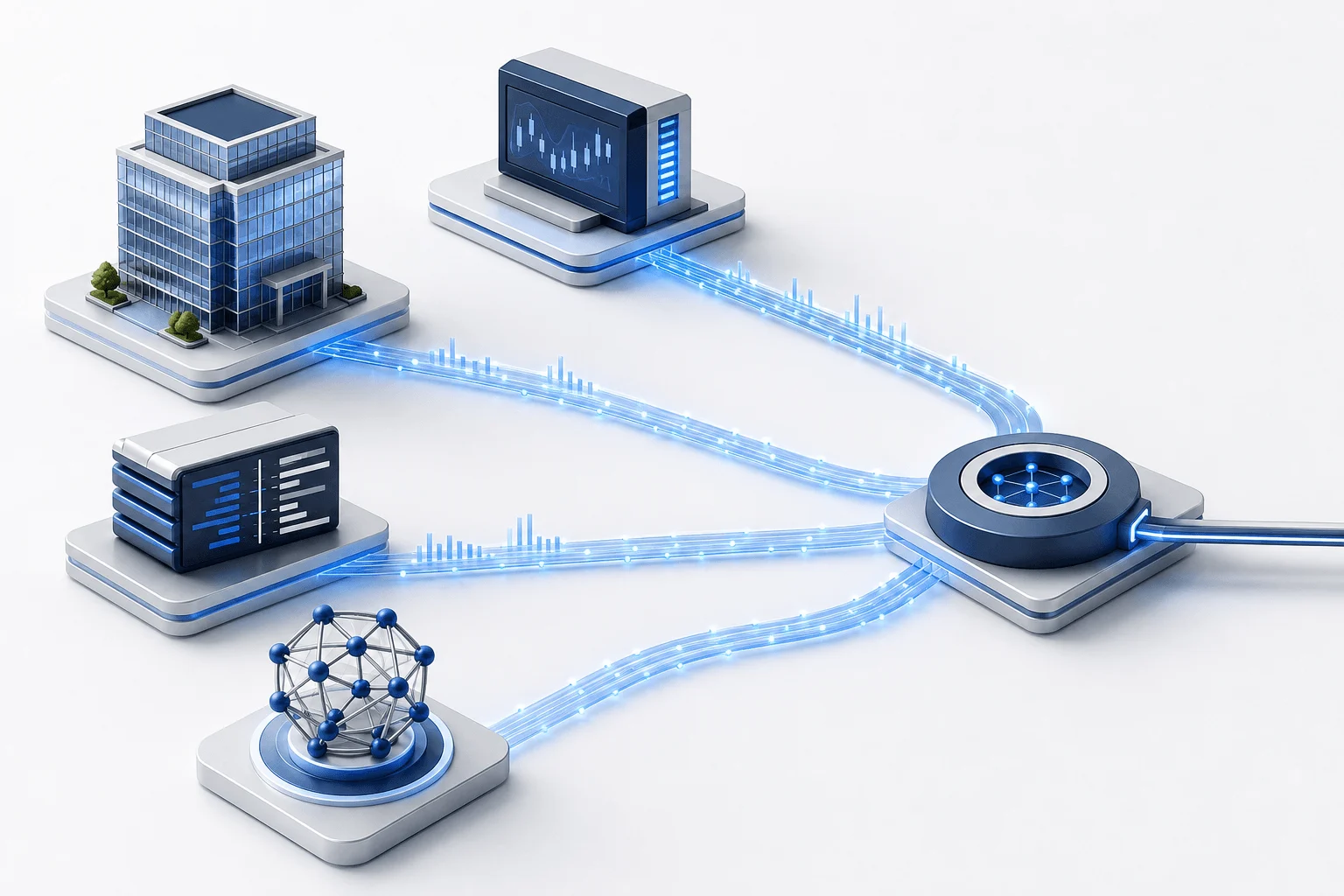
Choose the connection model before choosing the vendor.
Gateway, Bridge and FIX are related terms, but they are not interchangeable products.
The right route depends on the LP’s available interfaces, the platform, latency requirements, routing logic, monitoring needs and commercial model. EBS FinTech defines that path first, then coordinates the configuration with the selected providers. For a closer technical comparison, read how FIX API and MT5 Gateway differ.
- MT5 Gateway assessment and configuration
- FIX API and third party Bridge integration
- Endpoint, session and account coordination
- Symbol and contract specification mapping
- Demo and live connection separation
- Primary/backup path planning where supported
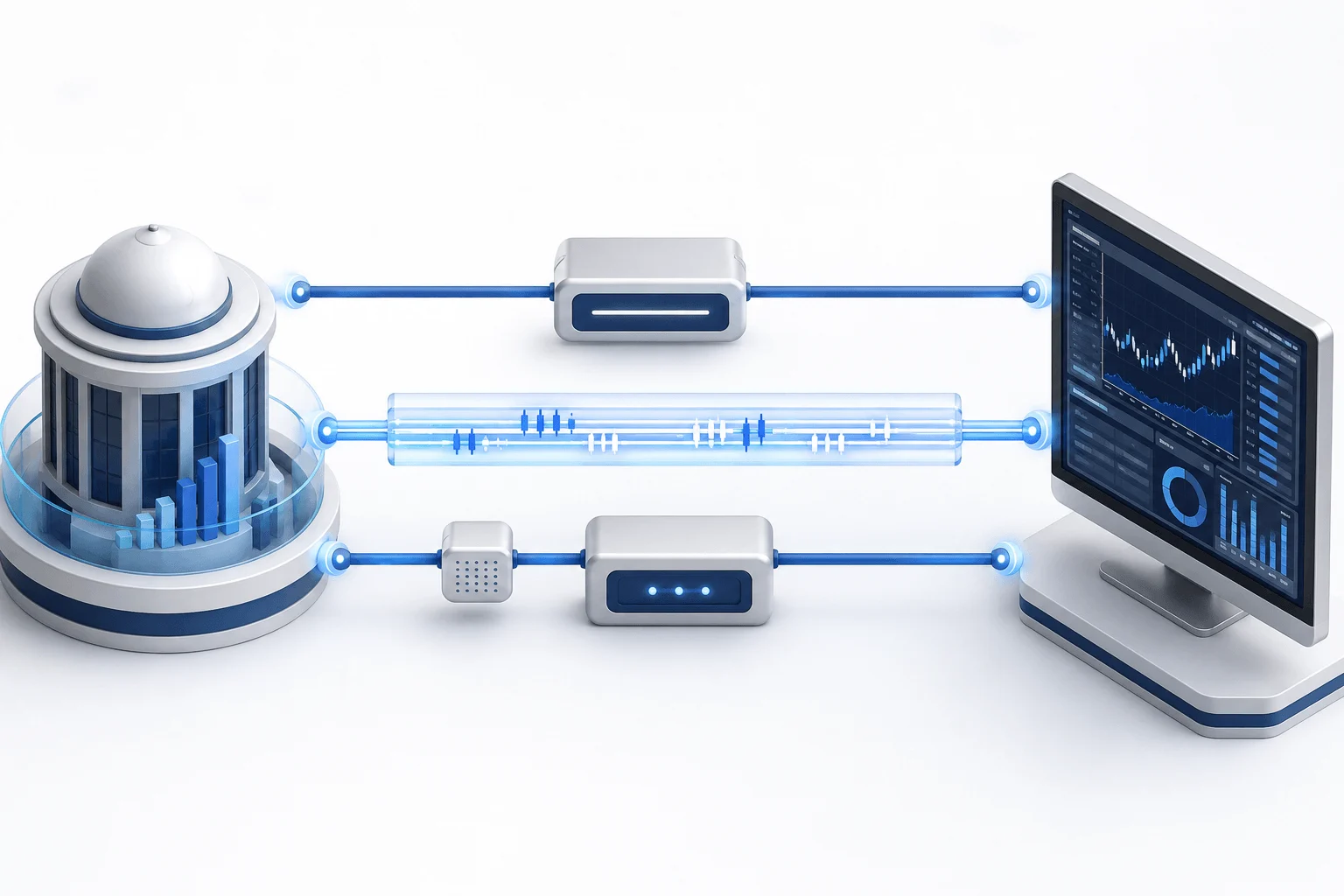
Bring multiple liquidity sources under one operating model.
A second LP adds resilience and choice, but it also adds another set of prices, symbols, sessions, reject messages and reconciliation records.
Where the operating model justifies the added layer, a third party aggregator can consolidate pricing and apply defined routing rules. EBS FinTech handles the architecture, mappings, test cases and integration; the aggregator or Bridge continues to operate under its own provider agreement. Our guide to liquidity aggregation for brokers explains how price books, routing and multiple LP connections work in practice.
- Pricing and depth configuration across multiple LPs
- Symbol normalization across sources
- Routing rules and execution paths
- Spread and markup configuration
- Backup source and recovery scenarios
- Testing rejects, disconnects and unusual conditions
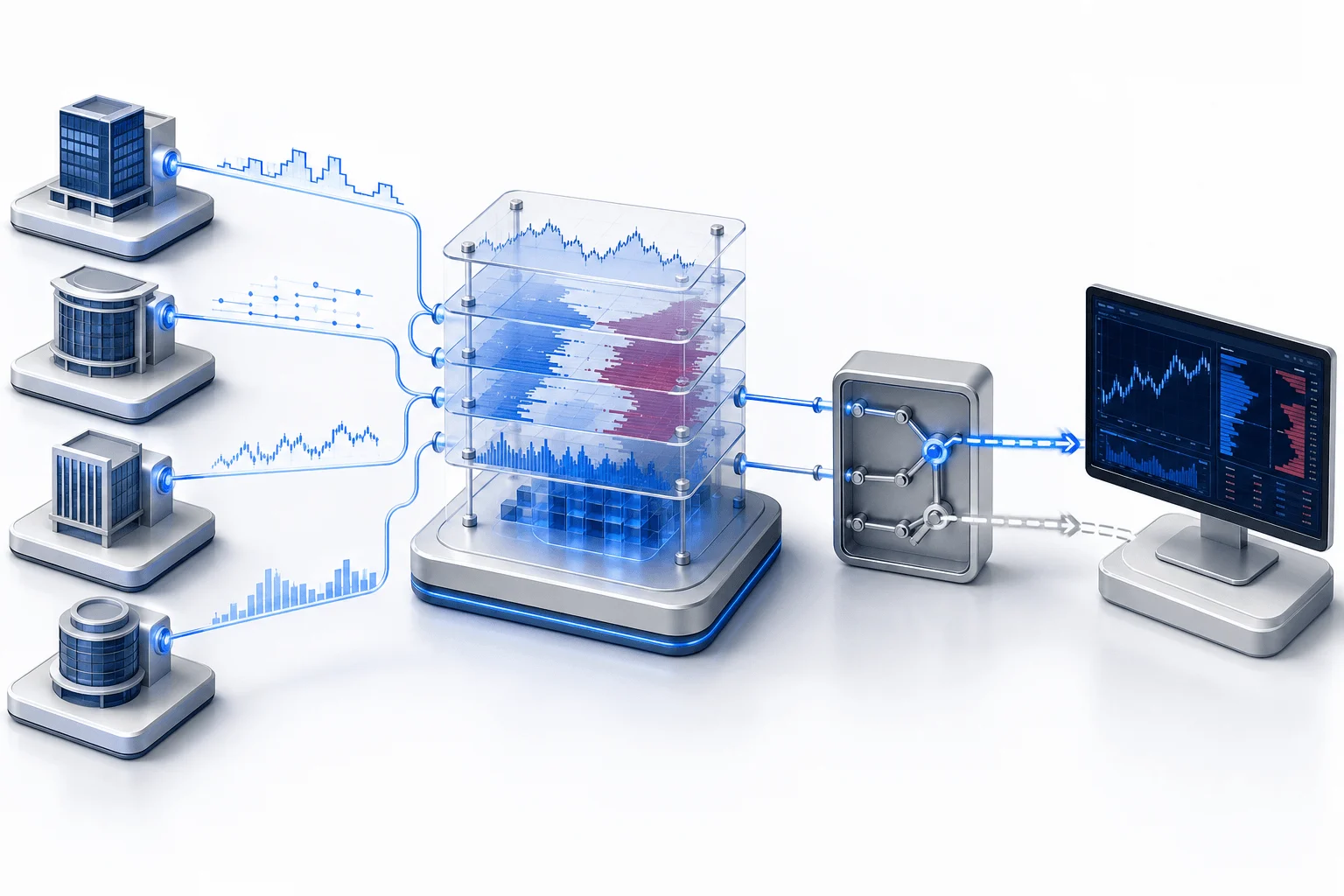
Align liquidity with the wider MT5 configuration.
The LP connection and the MT5 configuration have to agree on the same trading conditions.
Symbols, calculation modes, digits, tick sizes, contract sizes, sessions, swaps, groups and execution settings need to be checked together. EBS FinTech coordinates these platform dependencies for both new deployments and changes to an existing environment.
- Demo and live environment planning
- Symbol and group configuration alignment
- Price feed and order flow validation
- Connection health and logging review
- Controlled launch and rollback planning
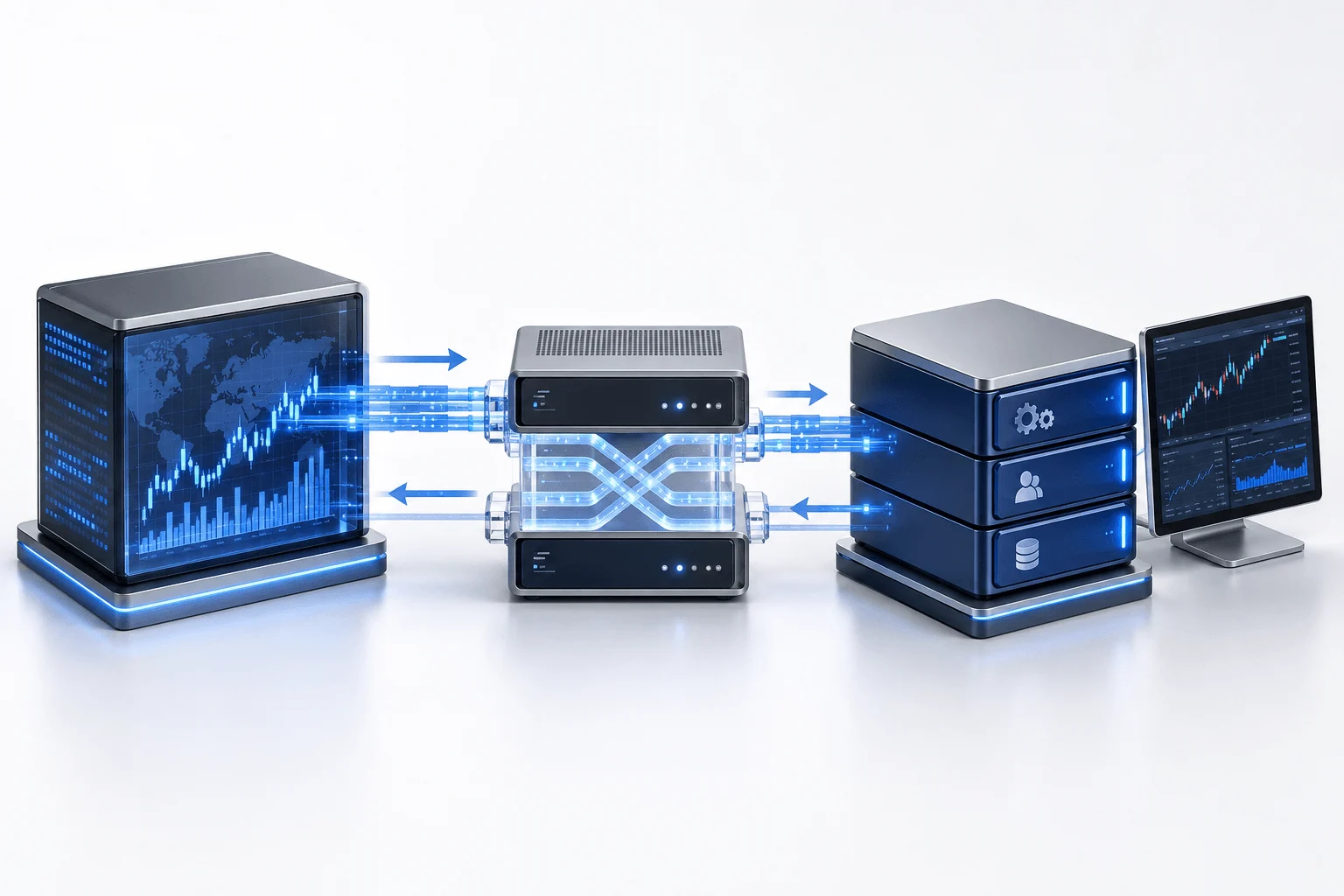
Keep configuration and incident ownership clear.
Several independent systems sit in the same order path. When something goes wrong, support starts with knowing who owns each layer and collecting evidence before the incident is passed between vendors.
Connection Monitoring
Review connection state, price feed interruptions, logs and abnormal technical behaviour.
Controlled Changes
Coordinate mapping, symbol, markup or routing changes with appropriate testing.
Incident Triage
Collect evidence and help isolate whether an issue sits with MT5, connectivity or the external provider.
Vendor Coordination
Maintain a practical technical interface across the broker and relevant third party vendors.
From requirements review to production launch
Discovery
Review the entity, platform, products, execution objectives and existing providers.
Design
Define the proposed connection, optional aggregation, mappings and responsibility matrix.
Coordination
Collect technical details and align dependencies with the selected third party providers.
Build & Test
Configure the environment and validate prices, execution, rejects and recovery scenarios.
Launch & Support
Complete a controlled launch and continue technical support under the agreed scope.
Clear boundaries between EBS FinTech and third party providers
EBS FinTech is a brokerage technology and infrastructure service provider, not a liquidity principal, broker dealer or custodian.
Liquidity accounts, Bridge or aggregation software, and related connectivity services may be contracted directly with independent providers. Their approval, prices, liquidity, execution, availability, contractual obligations and service performance remain governed by their respective agreements.
EBS FinTech’s role is limited to the assessment, introduction, technical coordination, configuration, integration, testing and support expressly included in the agreed project scope.
Continue with the part of the MT5 stack you need
Liquidity connectivity normally sits alongside platform deployment, hosting and ongoing technical operations. These pages cover the adjoining parts of the broker environment.
Review the connection before it reaches production.
If you are launching a new MT5 environment, adding a backup LP, moving to aggregation across multiple LPs or replacing a Bridge, send EBS FinTech the current setup and target outcome. EBS FinTech will identify the main dependencies and define the technical scope.
Common liquidity and connectivity questions
Is EBS FinTech a liquidity provider?
No. EBS FinTech provides brokerage technology and infrastructure services. EBS FinTech can help assess, introduce and technically integrate suitable third party liquidity providers, subject to each provider’s approval and agreement.
Does every MT5 broker need a Bridge?
No. Some LPs support an MT5 Gateway, while other environments use FIX connectivity through a third party Bridge or aggregator. The correct approach depends on the available interfaces and the broker’s technical and operating requirements.
When is aggregation useful?
Aggregation is generally considered when a broker uses multiple liquidity sources and needs consolidated pricing, routing logic, additional execution control or resilience. A straightforward setup with one LP may not need a separate aggregation layer.
Can EBS FinTech integrate an LP or Bridge we have already selected?
Often, yes. Feasibility depends on the provider’s supported interfaces, documentation, access permissions and compatibility with the existing MT5 and server environment.
Can EBS FinTech help replace an existing connectivity provider?
Yes. A migration can include architecture review, configuration mapping, parallel testing, cutover planning and checks after launch. The exact approach depends on the existing contracts and available migration window.
Who is responsible if a third party LP or Bridge fails?
The relevant third party provider remains responsible for its own service under its contract. EBS FinTech can assist with technical triage and coordination within the agreed support scope, but does not assume the provider’s liquidity, execution, uptime or contractual obligations.